GLP-1 Side Effects & Titration Guide
Most GLP-1 side effects are temporary and manageable. This guide covers what to expect during the first weeks, how titration schedules work, and when to contact your prescriber.
Browse all clinician profiles in our reviewer directory.
Freshness status: Fresh (144 days since review)
Clinical change log
Substantive medical-content updates are tracked here for transparency. See our methodology and disclosures.
What changed:Updated clinical guidance language, risk/safety framing, and care-escalation instructions to align with current evidence standards.
Source impact:Primary references were reviewed and retained/updated where needed; claim-to-source traceability preserved.
Search Learn Guides
What to Expect in the First Weeks
The most common side effects of GLP-1 receptor agonists occur during the first 2-4 weeks of treatment as your body adjusts to the medication. These are typically gastrointestinal in nature and include nausea, vomiting, diarrhea, constipation, abdominal cramping, and blooming.[1] Clinical trials for semaglutide 2.4mg reported nausea in 44% of participants, diarrhea in 30%, and constipation in 24% during the initial titration period.[2] However, severity was predominantly mild-to-moderate, and most symptoms resolved within 3-6 weeks as patients reached their maintenance dose. Understanding that these side effects are expected — and usually temporary — is the first step in managing them effectively. Your prescriber will use a gradual titration schedule specifically designed to minimize discomfort.How Titration Schedules Work
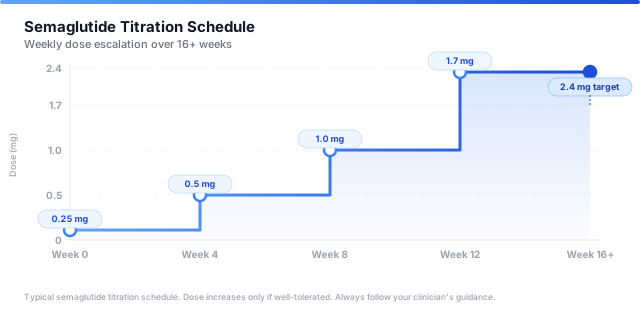
Titration is the process of gradually increasing your dose over several weeks. This gives your body time to adapt to the medication and significantly reduces the severity of GI side effects. You should never skip steps or increase your dose faster than prescribed. The standard semaglutide titration schedule starts at 0.25mg once weekly for 4 weeks, then increases to 0.5mg for 4 weeks, 1.0mg for 4 weeks, 1.7mg for 4 weeks, and finally 2.4mg maintenance.[3] Tirzepatide follows a similar pattern, starting at 2.5mg and increasing by 2.5mg increments every 4 weeks up to 15mg maintenance. Compounded versions may follow slightly different schedules based on the prescribing physician's protocol. If side effects become intolerable at any dose level, your prescriber may recommend staying at the current dose for an additional 2-4 weeks before advancing. This is normal and does not affect long-term outcomes.Managing Nausea and GI Symptoms
Nausea is the single most common reason patients consider discontinuing GLP-1 therapy, but evidence-based strategies can make it manageable for the vast majority of patients. Dietary strategies: Eat smaller, more frequent meals. Avoid high-fat, spicy, and strongly scented foods during the first 4 weeks. Keep crackers or plain toast nearby. Cold or room-temperature foods are often better tolerated than hot meals. Stay hydrated with small sips throughout the day.[4] Medication timing: Some patients report fewer side effects when injecting in the evening. Take your dose on the same day each week and at a consistent time. If you experience nausea on injection day, plan lighter meals. When to escalate: Contact your prescriber if you experience persistent vomiting lasting more than 48 hours, inability to keep fluids down, severe abdominal pain, or signs of dehydration (dark urine, dizziness, excessive thirst). These may indicate a more serious reaction that requires medical attention. Over-the-counter options: Your prescriber may recommend ginger supplements, vitamin B6, or anti-nausea medications like ondansetron for short-term use during dose escalation. Always consult before adding any new medication.When to Contact Your Prescriber
While most side effects are manageable, some symptoms require prompt medical attention. Contact your prescribing clinician or seek emergency care if you experience:- Persistent vomiting or inability to keep fluids down for more than 24 hours
- Severe, sudden abdominal pain that does not resolve
- Pancreatitis symptoms: severe belly pain that may radiate to your back, with nausea and vomiting
- Gallbladder symptoms: right-sided upper abdominal pain after eating
- Hypoglycemia symptoms: shakiness, confusion, sweating, rapid heartbeat (especially if also taking insulin or sulfonylureas)
- Allergic reactions: rash, itching, swelling of the face, tongue, or throat, difficulty breathing
Compare Providers Next
Compare options side by side on our GLP-1 provider scorecard, then review coverage workflow details on insurance support comparison. For provider-specific details, read our Ro review.
Payer-specific shortcuts: Aetna, BCBS, Cigna, and UnitedHealthcare.
Semaglutide pricing shortcuts: semaglutide cost, semaglutide cost per month, semaglutide injection cost, and compounded semaglutide cost.
Popular state-specific comparisons: Alabama, Arizona, Arkansas, California, Colorado, Connecticut, District of Columbia, Florida .
References
- [1]Wilding JPH, Batterham RL, Calanna S, et al. Once-Weekly Semaglutide in Adults with Overweight or Obesity. N Engl J Med. 2021;384(11):989-1002. PubMed 33567485
- [2]U.S. Food and Drug Administration. Wegovy (semaglutide) Prescribing Information — Adverse Reactions. Novo Nordisk Inc. Revised 2024. FDA Label
- [3]Davies M, Færch L, Khurt O, et al. Semaglutide 2·4 mg once a week in adults with overweight or obesity, and type 2 diabetes (STEP 2). Lancet. 2021;397(10278):871-884. PubMed 33667417
- [4]Heinen L, Bruck K, Reinecke A, et al. Dietary Strategies for Managing GLP-1 Receptor Agonist Gastrointestinal Side Effects. Diabetes Ther. 2023;14(7):1195-1208. PubMed 37277556
- [5]Endocrine Society. Clinical Practice Guideline: Pharmacological Management of Obesity. J Clin Endocrinol Metab. 2024;109(2):e1-e28. PubMed 37732867
Claim-to-Source Traceability
Reviewer attribution: Anika Reyes, MD
[1] Clinical trials for semaglutide 2.
Sources: [1]
[2] However, severity was predominantly mild-to-moderate, and most symptoms resolved within 3-6 weeks as patients reached their maintenance dose.
Sources: [2]
[3] Tirzepatide follows a similar pattern, starting at 2.
Sources: [3]
[4] Medication timing: Some patients report fewer side effects when injecting in the evening.
Sources: [4]
[5]
Sources: [5]
Frequently Asked Questions
How long do GLP-1 side effects last?
Most GLP-1 side effects peak during the first 2-4 weeks of treatment and significantly diminish by weeks 6-8 as your body adjusts. Nausea is the most persistent symptom but typically resolves once you reach your maintenance dose. If side effects remain severe beyond 8 weeks, contact your prescriber to discuss dose adjustment.
Can I skip a dose if I feel sick?
Do not skip doses without consulting your prescriber. If you feel unwell, contact your care team. They may recommend staying at your current dose longer before advancing, which is a normal and safe approach. Abruptly stopping GLP-1 medication can cause rebound appetite and weight gain.
What foods should I avoid during GLP-1 titration?
During the first 4 weeks, avoid high-fat foods, fried foods, spicy dishes, and very large meals. Opt for smaller, frequent meals with lean protein, complex carbohydrates, and vegetables. Cold or room-temperature foods are often better tolerated. Ginger-containing foods and plain crackers can help with nausea.
Is it normal to feel fatigued when starting GLP-1?
Mild fatigue is common during the first few weeks, often related to reduced caloric intake and your body adjusting to the medication. Ensure you stay hydrated and maintain adequate protein intake. If fatigue is severe or persists beyond 4 weeks, discuss with your prescriber as it may indicate other issues.